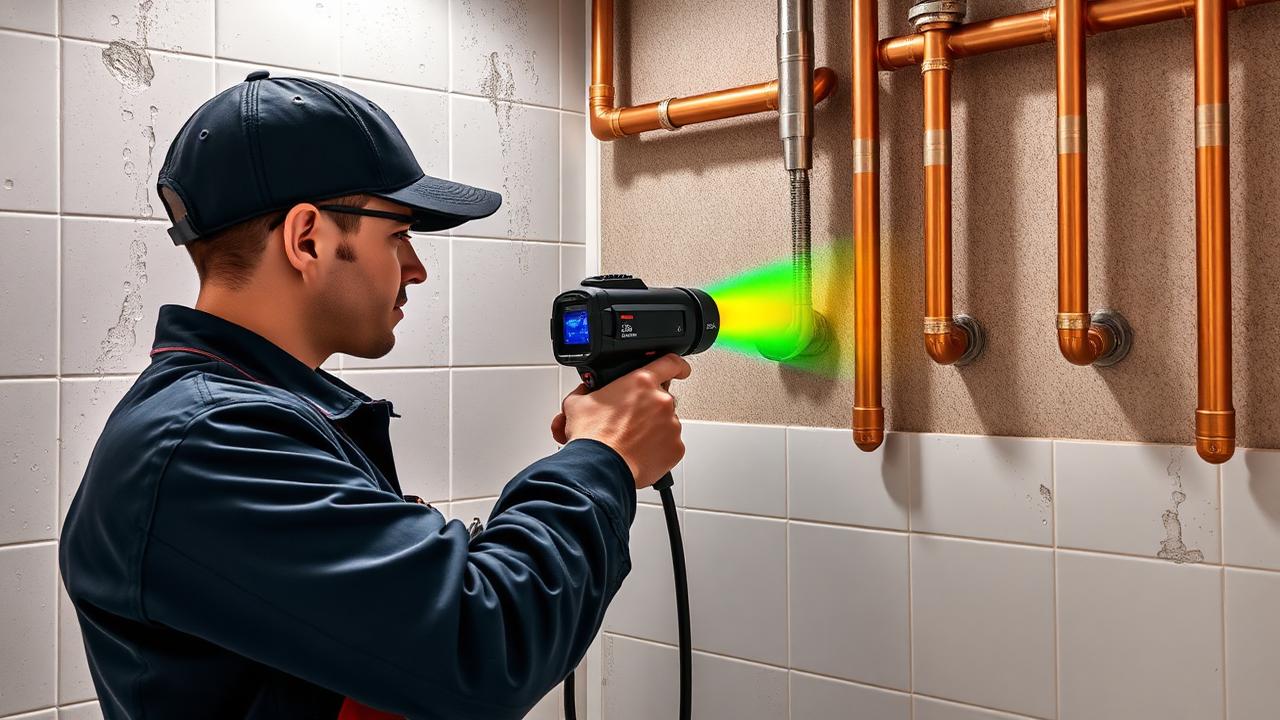
Water leaks are one of the most common and expensive problems in building maintenance. They can occur without warning, sometimes without any visible external signs, and can cause serious damage such as mold, damage to electrical infrastructure, crumbling walls, and huge renovation costs. Therefore, one of the most important actions in the event of a suspected leak is to quickly and accurately identify the source of the problem.
In the article before you, Osher Levy – a veteran expert in leak detection – shares knowledge from the field, explains how to locate leaks quickly and non-invasively, and provides important tips that can save you time, money, and most importantly, heartache.
What are the common causes of water leaks?
Leaks can be caused by a variety of reasons, sometimes due to natural wear and tear of the piping, and sometimes due to poor installation or external damage:- Loose connections between pipes
- A burst or broken pipe
- Poor sealing on the roof or in bathrooms
- Root penetration into sewer pipes
- Water load in the drainage system
- Hidden drip under the flooring
Early signs that indicate a leak
It is not always easy to notice a leak immediately, but there are several indications that can indicate a hidden fault:- Damp spots or mold on walls and ceilings
- Stubborn musty smell in enclosed areas
- Water bill higher than usual
- Sudden drop in water pressure
- Dampness on the floor for no apparent reason
Advanced leak detection technologies
Nowadays, there is no need to break walls or lift tiles to locate a leak. The advanced equipment used by trained professionals allows leaks to be located non-invasively and with maximum accuracy:- Thermal cameras – detect temperature changes in a structure, which indicate the presence of water.
- Acoustic detector – listens for water movement in pipes through the walls or floor.
- Pressure tests – check for an abnormal drop in water pressure, which indicates a leak.
- Gas testing – injecting environmentally friendly gas into the piping and locating the source of the leak with a unique sensor.
Detecting Liquidity – Osher Levy Shares from the Field
Osher Levy, owner of a long-standing leak detection business, explains that it is the most complex cases that highlight the importance of field experience. He says, “Technology is important – but without professional skill and understanding of the pipeline route, there is a risk of misinterpretation and unnecessary repairs.” Through a combination of advanced thermal cameras, pressure tests, and precise mapping of the piping, Osher and his team are able to solve problems even in problematic buildings, such as old apartments, double walls, or houses where improvised renovations have been carried out. Customers who have contacted Osher Levy report professional service, quick response, and clear reports that allow them to continue the process with insurance companies or contractors. It’s not just about identifying the problem – but real support until a complete solution is found. When it comes to a task like locating a leak – Osher Levy is exactly the person you want in the field: with experience, advanced equipment, and a broad view of the entire plumbing system.What to do before calling a professional?
There are a few simple tests that anyone can perform before ordering from a leak detection site:- Close all taps and check if the water meter continues to run – this is an immediate indication of a leak.
- Go through the rooms of the house and look for signs of dampness or discoloration on the walls.
- Compare the current water bill to the previous bill – a sharp increase without a change in usage habits indicates a malfunction.
- Check for areas on the floor that feel warm or damp – especially near a shower, washing machine or solar water heater.